
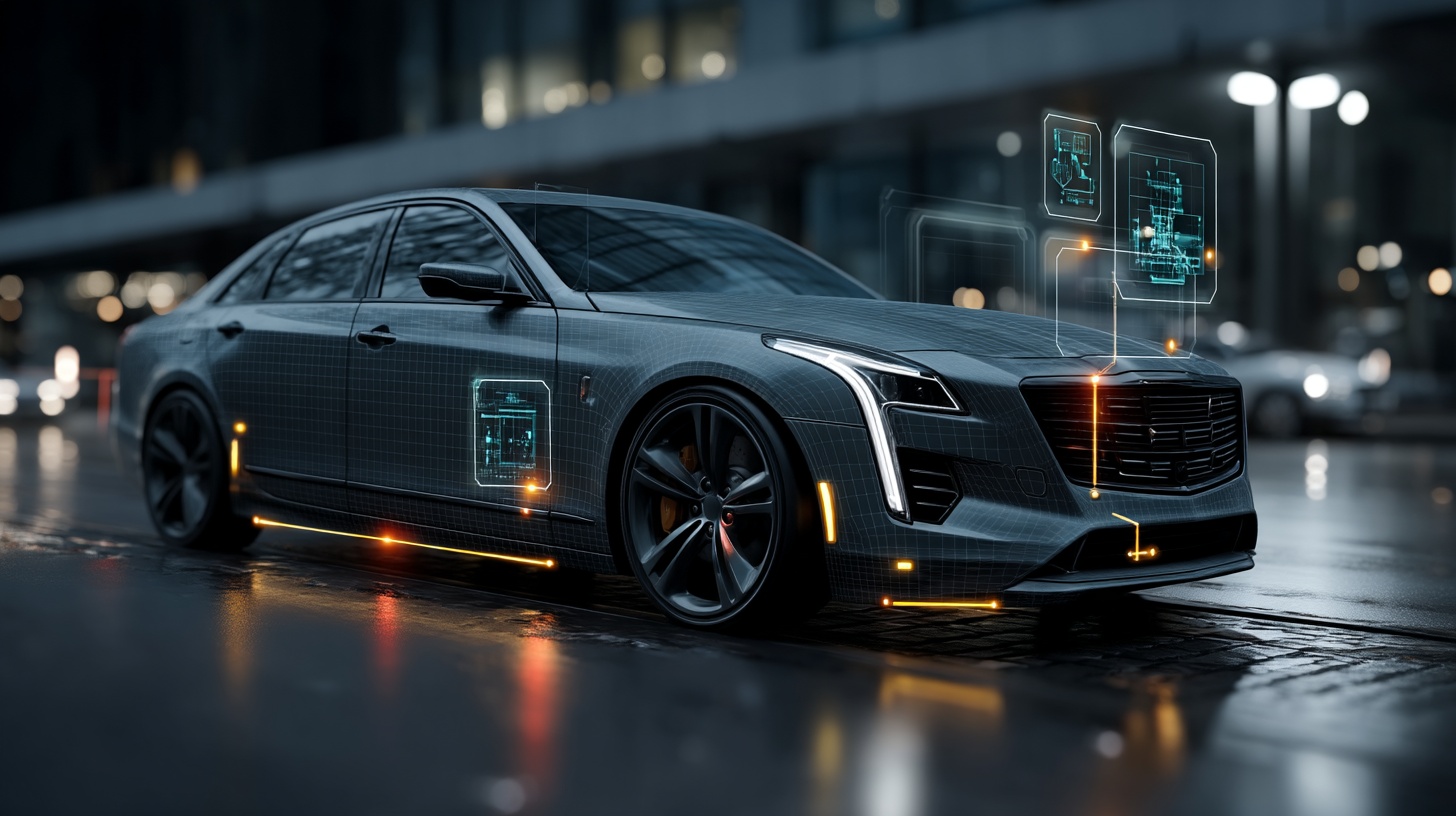
Every minute, millions of people interact with their phones while driving — whether it’s answering messages, reading articles, or even browsing tips on choosing car insurance, like this guide on https://www.godubai.com/citylife/News_Article_Page.asp?pr=181373.
This makes the integration of automotive apps with car systems a critical safety challenge. Modern vehicles, essentially computers on wheels, now feature touchscreens and connectivity tools to enhance safety and convenience while minimizing distractions.
The challenge is not just integrating apps into cars but doing so without creating dangerous distractions. At 70 mph, every second a driver’s eyes are off the road matters. Safe integration is essential, combining functionality with safety.
This guide covers designing automotive apps that minimize distractions while maintaining usability, from understanding car platforms to building voice-controlled interfaces and meeting safety standards.
Understanding car systems and app integration
Car systems have evolved from simple controls to complex networks connecting phones, managing music, and providing navigation. Developing automotive apps means creating tools that become part of a moving vehicle. Infotainment systems like Android Auto, Apple CarPlay, and proprietary software have strict rules on app functionality to prioritize safety.

How apps connect to cars
Apps connect to car systems via smartphones (wired or wireless) or run directly on the car’s system, the latter requiring collaboration with manufacturers. Car systems limit what apps can display, how users interact, and when features are accessible, requiring apps to be specifically designed for in-car use.
Safety standards and legal requirements
Understanding safety standards protects users and ensures compliance. Guidelines from organizations like the NHTSA emphasize keeping drivers’ eyes on the road and hands on the wheel. Regulations limit on-screen interactions, require large, readable text, and restrict functionality while driving.
International variations
Global deployment adds complexity, as different countries have varying regulations. Europe focuses on voice control, while some Asian markets have stricter visual limitations. Researching market-specific rules early prevents costly retrofits later. Testing under real driving conditions, not just simulators, ensures compliance and usability.
Designing for driver distraction prevention
Preventing distraction starts with understanding driver behavior. At 60 mph, simplicity is key.
Keep visuals simple
Drivers should process information in under two seconds. Use large text, big buttons, and high-contrast colors to ensure usability in challenging conditions, like bright sunlight or bumpy roads.
Limit user actions
Complex menus and detailed inputs are unsafe. Design tasks to require no more than three taps, disabling features like typing or scrolling when the car is in motion. A well-designed automotive app feels almost invisible, performing its function seamlessly.
Voice control and hands-free features
Voice control is essential for safe in-car apps and secure car driving. With natural, conversational commands like “play my playlist,” it feels as effortless and protected as driving with reliable insurance.

Building reliable voice recognition
Voice systems must account for accents, background noise, and real-world conditions. Testing in diverse environments, with various microphone setups, ensures accuracy. Focus on basic features like navigation, music, calls, and messaging before adding complexity.
Testing in real driving conditions
Simulators are helpful but can’t replicate real-world conditions. Testing on quiet streets, in traffic, and in various weather scenarios is crucial. Different drivers, from tech-savvy users to less experienced ones, can identify usability gaps.
Start safe, then scale
Begin in low-risk environments like empty parking lots before testing on busier roads. Real-world challenges like rain or sun can reveal issues not seen in controlled settings.
Working with car manufacturers and platforms
Getting apps approved by car manufacturers is more complex than submitting to app stores. Each manufacturer has unique certification processes, timelines, and technical requirements. Joining developer programs, such as Toyota’s, often involves proving your team’s expertise and past work.
Popular integration platforms
Platforms like Apple CarPlay and Android Auto simplify integration and meet safety standards, making them great starting points. CarPlay supports navigation, messaging, and audio, while Android Auto offers similar capabilities within Google’s ecosystem. Amazon Alexa Auto and proprietary systems like Ford SYNC and GM OnStar are other options.
Building relationships with manufacturers is key. Their input helps navigate approval processes and technical requirements, ensuring efficient development and certification.